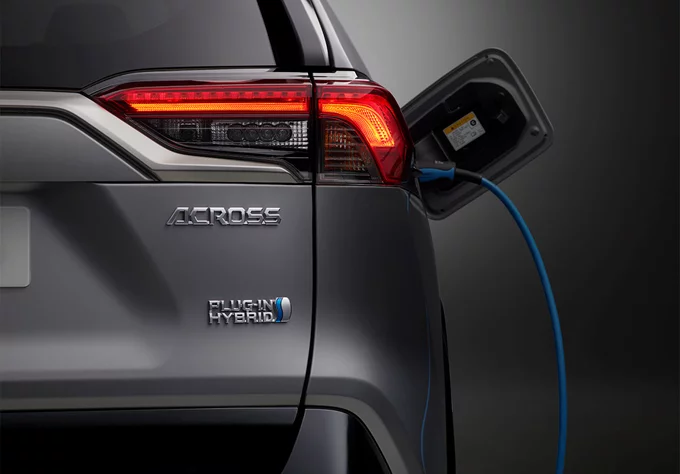
Hybrid cars have become one of the most popular choices among modern drivers because they combine the best of both worlds: fuel efficiency from electric power and reliability from a gasoline engine. Yet, many drivers wonder: What happens if the hybrid battery dies? Can you still drive the car? In this comprehensive guide, we will answer this question, explain how hybrid cars work, and discuss the disadvantages of hybrid cars that every buyer should know.
Table of Contents

Understanding Hybrid Cars
A hybrid vehicle uses two power sources:
- An internal combustion engine (ICE) powered by gasoline or diesel.
- An electric motor powered by a high-voltage hybrid battery pack.
These two systems work together to reduce fuel consumption, lower emissions, and provide better performance compared to traditional vehicles. Depending on the design, the electric motor may handle low-speed driving, while the gasoline engine powers high-speed driving, or both may work together for extra performance.
Types of Hybrid Cars
- Full Hybrid (HEV) – e.g., Toyota Prius, Honda Insight
- Can run on electric-only mode for short distances.
- Gasoline engine takes over at higher speeds or when more power is needed.
- Plug-in Hybrid (PHEV) – e.g., Toyota RAV4 Prime, Hyundai Tucson PHEV
- Larger battery compared to HEV.
- Can be charged externally using a wall socket or charging station.
- Can travel longer distances in pure electric mode.
- Mild Hybrid (MHEV) – e.g., Maruti Suzuki Smart Hybrid, Kia Sonet
- Uses a small battery and motor to assist the gasoline engine.
- Cannot run on electric power alone.
- Improves fuel economy and start-stop functions.
How Do Hybrid Cars Work?
Hybrid cars rely on a smart energy management system that decides whether the gasoline engine, the electric motor, or both should be used at any given moment. Here’s a simplified breakdown:
1. Starting the Car
- Most hybrids use the electric motor to start moving. This makes the car quieter and more fuel efficient at low speeds.
2. Low-Speed Driving
- In many HEVs and PHEVs, the car runs solely on electric power at low speeds (like city driving or traffic jams).
3. Acceleration and High-Speed Driving
- When you press the accelerator hard or drive at higher speeds, the gasoline engine kicks in to provide extra power.
- Sometimes, both the gasoline engine and electric motor work together for better acceleration.
4. Regenerative Braking
- One of the biggest advantages of hybrids is regenerative braking.
- When you brake, the electric motor acts as a generator, converting kinetic energy back into electricity and recharging the battery.
5. Engine Shut-Off in Idle
- At traffic lights, the hybrid system often shuts off the gasoline engine to save fuel. The electric motor can keep the air conditioning, lights, and electronics running.
6. Battery Recharging
- In HEVs and MHEVs, the battery is recharged by regenerative braking and the gasoline engine.
- In PHEVs, you can also recharge the battery by plugging it into an external power source.
Can You Still Drive a Hybrid Car if the Battery Dies?
This is one of the most common questions from hybrid car owners and buyers. The answer depends on which battery we are talking about and what type of hybrid you own.
1. If the High-Voltage Hybrid Battery Dies
- Full Hybrid (HEV):
- If the large hybrid battery (traction battery) fails completely, most HEVs cannot run because the engine and transmission depend on the electric motor to function properly.
- Example: A Toyota Prius with a dead traction battery will not operate even if it has fuel in the tank.
- Plug-in Hybrid (PHEV):
- If the battery is only discharged (not failed), the car will automatically switch to gasoline mode and keep running.
- However, if the battery fails completely, the car will not drive, similar to a HEV.
- Mild Hybrid (MHEV):
- Since the electric motor only assists the gasoline engine, most mild hybrids can still be driven normally even if the hybrid battery fails.
- However, fuel efficiency will drop, and start-stop functionality will stop working.
2. If the 12-Volt Battery Dies
- Like conventional cars, hybrids also have a 12V auxiliary battery that powers electronics, lights, and the computer system.
- If this battery dies, the car will not start at all, regardless of the hybrid system.
- Fortunately, a simple jump-start usually solves the issue.
Disadvantages of Hybrid Cars
While hybrid cars are efficient and eco-friendly, they also come with some disadvantages that buyers should consider:
1. High Purchase Cost
- Hybrids are generally more expensive than conventional cars due to their dual powertrain system.
- Even mild hybrids can cost significantly more than similar gasoline-only models.
2. Battery Replacement Cost
- The high-voltage hybrid battery can cost anywhere between $2,000 – $7,000 (₹1.5 – 5 lakh in India) to replace, depending on the model.
- Though hybrid batteries last 8–10 years on average, replacement is still a big financial concern.
3. Maintenance Complexity
- Hybrid cars have two systems (engine + motor), making them more complex than traditional vehicles.
- Not all mechanics are trained to repair hybrids, which may lead to higher maintenance costs.
4. Limited Electric-Only Range (HEVs and MHEVs)
- Unlike pure electric vehicles (EVs), most hybrids cannot travel long distances on electricity alone.
- HEVs may only cover 2–5 km in electric mode, while MHEVs cannot run on electric power alone at all.
5. Battery Degradation Over Time
- Just like mobile phones, hybrid batteries lose capacity with age.
- After 8–10 years, performance and fuel efficiency may decline.
6. Resale Value Concerns
- Some buyers hesitate to purchase used hybrids due to battery life worries.
- This can affect resale value compared to conventional cars.
7. Less Suitable for Long Highway Drives
- Hybrids perform best in city traffic where regenerative braking recharges the battery.
- On long highway drives, the advantage reduces, making them similar to regular cars.
8. Weight and Space Issues
- The additional battery and electric motor increase vehicle weight.
- This may reduce boot space in some hybrid models.
Benefits of Hybrid Cars
Even with disadvantages, hybrids are still popular because they offer:
- Better fuel efficiency.
- Lower emissions.
- Quieter driving experience.
- Regenerative braking system.
- Government tax incentives (in some countries).
Conclusion
So, can you drive a hybrid car if the battery dies? The answer depends on the type of hybrid:
- Mild hybrids – Yes, but with reduced performance.
- Full hybrids and plug-in hybrids – Usually no, unless the battery is just discharged (PHEV).
- 12V battery dead – The car won’t start until fixed.
Understanding how hybrid cars work helps drivers make better decisions about purchasing and maintaining them. While hybrids come with disadvantages like higher cost, battery replacement, and complex maintenance, they remain an excellent choice for city drivers who want to save fuel and reduce emissions.
If you are planning to buy a hybrid car, always check the warranty on the battery, calculate the long-term fuel savings, and choose a model that suits your driving habits.