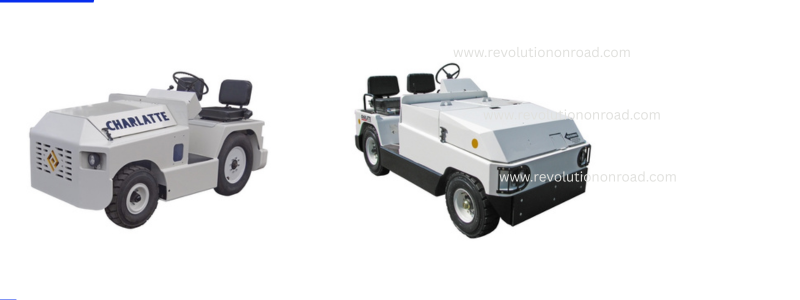
Charlatte is one of the leading manufacturers of electric tractors and ground support equipment (GSE). Their tractors are widely used in airports, logistics hubs, and industrial facilities. Like all heavy-duty equipment, these tractors require scheduled preventive maintenance to ensure safety, reliability, and long service life.
One of the most important intervals in Charlatte’s maintenance schedule is the 200-hour inspection. This milestone ensures the tractor continues to operate efficiently without unexpected breakdowns.
Table of Contents

Why 200-Hour Inspection is Important
Electric tractors like the Charlatte ETR are designed for durability, but they face heavy loads, frequent start-stops, and tough airport conditions. By 200 hours of operation, the equipment may start showing wear in battery, wiring, brakes, tires, and hydraulic systems.
Skipping this inspection can lead to:
· Unexpected breakdowns during peak airport operations.
· Reduced battery capacity and charging problems.
· Premature wear of motor, contactors, and control units.
· Safety risks due to brake or steering failure.
· Increased repair costs due to neglected minor issues.
Safety Precautions Before Inspection
Before starting a 200-hour service, always ensure technician and operator safety.
1. Power Down the Tractor – Switch off ignition and disconnect the main battery isolator.
2. Apply Parking Brakes – Prevents accidental movement.
3. Use Wheel Chocks – Place behind and in front of wheels.
4. Wear PPE – Helmet, insulated gloves, safety shoes, and protective glasses.
5. Battery Safety – Never touch battery terminals with bare hands; use insulated tools.
6. Avoid Sparks – No smoking or open flames near charging/battery area.
7. Hydraulic Safety – Release system pressure before loosening hoses.
Step-by-Step Charlatte Tractor 200-Hour Inspection Checklist
Let’s break down the inspection into major systems.
1. Battery System
The battery is the heart of an electric tractor. At 200 hours, perform these checks:
· Measure battery voltage (should match rated capacity, e.g., 80V).
· Inspect electrolyte levels (for lead-acid batteries). Top up with distilled water if required.
· For lithium-ion batteries, check Battery Management System (BMS) error logs.
· Inspect terminals for corrosion and apply petroleum jelly/grease.
· Check main battery cables for cracks or overheating.
· Perform a load test to verify capacity.
· Inspect charging connector for wear or looseness.
If battery drains too fast, recalibrate the charger or check for faulty cells.
2. Electric Motor & Controller
The motor drives the tractor, and the controller regulates its speed and torque.
· Clean motor housing and cooling vents.
· Check controller wiring harness for insulation damage.
· Verify motor brush condition (if DC motor).
· Listen for abnormal noises (bearing wear or rotor imbalance).
· Use diagnostic software (if available) to scan ECU error codes.
· Inspect contactors and relays for wear.
3. Drive & Transmission System
· Inspect drive shaft, differential, and coupling.
· Check for oil leaks in gear housing.
· Listen for grinding noises (sign of worn bearings/gears).
· Ensure forward/reverse switch functions smoothly.
· Grease moving joints as per manual.
4. Brake System
Safety depends heavily on the brake system.
· Inspect brake pads/shoes for wear.
· Measure brake fluid level (for hydraulic brakes).
· Test parking brake operation.
· Check brake lines for cracks or leaks.
· Test stopping distance under load.
If brakes feel spongy, bleed the brake system.
5. Steering & Suspension
· Check steering wheel free play.
· Inspect steering linkage for looseness.
· Check hydraulic steering pump operation (if equipped).
· Inspect suspension springs and shock absorbers.
· Grease steering joints.
6. Hydraulic System (if fitted)
Some Charlatte tractors come with hydraulic lifting functions.
· Inspect oil level in reservoir.
· Check pump operation.
· Look for leaks around hoses and cylinders.
· Replace hydraulic filter if clogged.
7. Tires & Wheels
· Inspect tire tread depth and sidewall cracks.
· Ensure tire pressure matches specifications.
· Check wheel nuts torque.
· Rotate tires if uneven wear is observed.
8. Electrical Wiring & Lights
· Inspect all wiring harnesses for cuts, burns, or loose connectors.
· Test headlights, brake lights, horn, and indicators.
· Verify dashboard display is working.
· Inspect fuse box for corrosion.
9. Operator Cabin & Safety Equipment
· Check seat belt condition.
· Inspect operator seat switch (safety interlock).
· Ensure fire extinguisher is present and valid.
· Test emergency stop switch.
Common Problems Found at 200 Hours & Solutions
1. Battery drains too quickly → Check charger settings, replace weak cells, clean connections.
2. Motor overheating → Clean vents, check load, replace bearings.
3. Brake squealing → Replace pads, lubricate system, bleed brake fluid.
4. Tires unevenly worn → Check wheel alignment, rotate tires.
5. Lights not working → Replace blown fuse, fix loose wiring.
6. Hydraulic leak → Replace seal/hoses, top up oil.
Tools Required for 200 Inspection
· Multimeter (for voltage testing)
· Torque wrench
· Insulated hand tools
· Battery hydrometer (for lead-acid)
· Diagnostic laptop/software (for advanced ECU models)
· Grease gun
· Hydraulic pressure gauge
· PPE kit
Preventive Maintenance Tips
· Charge battery fully after each shift, never let it deep discharge.
· Keep tires at recommended pressure to reduce load on motor.
· Clean tractor weekly to prevent dust from clogging vents.
· Train operators on proper use (avoid sudden starts/stops).
· Follow manufacturer’s maintenance log strictly.
Conclusion
The Charlatte electric tractor 200-hour inspection is a crucial maintenance milestone that ensures safety, performance, and long equipment life. By checking battery, motor, brakes, hydraulics, wiring, and tires, technicians can identify wear early and fix issues before they cause breakdowns.
Airports and logistic hubs depend on these tractors for smooth operations, and a strict preventive maintenance program guarantees reliability, reduces downtime, and saves costs.
A well-maintained Charlatte tractor not only performs better but also supports sustainable, eco-friendly ground support operations.